
← Back to BlogChild Development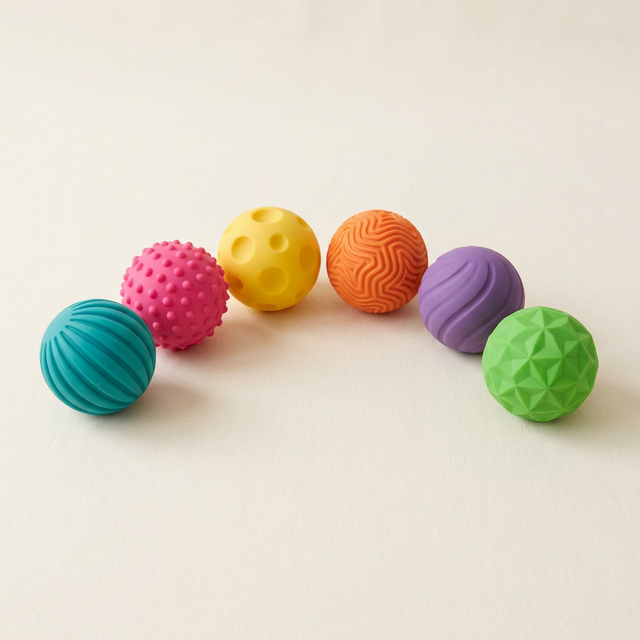
Why Sensory Play is Crucial for Child Development
Dr. Meera Patel • March 10, 2026 • 5 min read
Sensory play is any activity that stimulates a child's senses — touch, smell, taste, sight, and hearing. Far from being just "messy play," it's one of the most important types of play for early childhood development.
Why Is Sensory Play So Important?
1. Brain Development Every time your child explores a new texture, smell, or sound, new neural pathways are formed in their brain. This is how learning happens in the early years. Sensory play literally builds the architecture of the brain.
2. Fine Motor Skills Activities like squeezing, pouring, picking up small objects, and threading beads all develop the small muscles in hands and fingers. These are the same muscles children will need for writing later on.
3. Language Development When children explore through their senses, they naturally want to describe what they're experiencing. "It's squishy!" "That's cold!" This builds vocabulary and communication skills.
4. Problem-Solving Sensory activities encourage exploration and experimentation. "What happens if I add water?" "Can I stack these?" This trial-and-error approach builds critical thinking.
Easy Sensory Activities at Home
- Water play with cups, funnels, and toys
- Playdough with tools and natural materials
- Sensory balls with different textures (like our Sensory Ball Set!)
- Rice or pasta bins with hidden treasures to find
- Musical instruments to explore sounds
When to Start
You can begin sensory play from birth! Start simple with high-contrast cards for newborns, soft textured toys for 3-6 months, and gradually introduce more complex activities as your child grows.
The key is to follow your child's lead and let them explore at their own pace. There's no right or wrong way to do sensory play!